How to Choose a Houston Criminal Defense Attorney
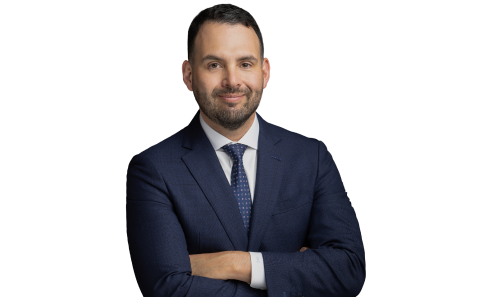
How to choose a Houston criminal defense attorney: Board Certified lawyer Jose Ceja has represented clients at every level of Harris County’s criminal courts. This guide covers what actually separates effective defense attorneys from ineffective ones — drawn from over 15 years of experience on both sides of the courtroom.
Being arrested is one of the most disorienting experiences a person can go through. Before you’ve had time to process what happened, your phone starts filling up with text messages from law firms. You’ll get mailers within days of your arrest. Everyone is competing for your attention at the worst possible moment.
Here’s the truth: in most cases, you have time to research before you make this decision. You don’t need to hire the first attorney who contacts you. The one exception is a DWI arrest — Texas gives you only 15 days from the date of arrest to request an Administrative License Revocation (ALR) hearing to challenge the suspension of your driver’s license. Miss that deadline and the suspension becomes automatic. If you were charged with a DWI, that clock is already running.
Whether your charge is a DWI, a drug offense, a sex crime, an assault, or something else entirely, the process for choosing the right defense attorney is the same. Here’s what actually matters.


1. How to Choose a Houston Criminal Defense Attorney: Start With Specialization
The first question is the most basic: does this attorney handle criminal cases regularly, or do they do a little of everything?
Criminal defense is a specialty. An attorney who practices family law, real estate, and criminal defense on the side is going to be outmatched by someone whose entire practice is dedicated to criminal law. You want someone who knows the Harris County criminal courthouse, the prosecutors in each court, and the tendencies of the judges assigned to your specific case.
Two credentials to look for: membership in the Texas Criminal Defense Lawyers Association (TCDLA) and the Harris County Criminal Lawyers Association (HCCLA). These are the professional organizations for serious criminal defense attorneys in this state. Another is board certification in criminal law from the Texas Board of Legal Specialization — a distinction held by fewer than 10% of all licensed Texas attorneys across any specialty area. Jose Ceja is one of them.
The specific charges you’re facing also matter. Criminal defense isn’t monolithic — a DWI case requires different expertise than a drug case, which requires different expertise than a sex crime allegation. Here’s what to look for depending on your situation:
DWI defense requires expertise in breath and blood testing science, standardized field sobriety testing, and ALR hearings. The 15-day deadline isn’t just a procedural formality — the ALR hearing is often your attorney’s first opportunity to cross-examine the arresting officer under oath and lock in their testimony. Look for an attorney who is certified in Standardized Field Sobriety Testing and who has invested in hands-on lab training. Jose Ceja has trained at Axion Lab in Chicago on the actual equipment police use to analyze blood alcohol samples — including understanding the 15-minute observation period required before a breath test and what happens when that protocol is not followed. Small procedural failures become real defense opportunities.
Drug cases are won and lost on search and seizure law. Every link in the chain can be challenged: the stop that led to the search, the search itself, the chain of custody for the evidence, the lab testing, and whether the substance even meets the legal definition of what you’re charged with possessing. Don’t assume a drug charge is minor — in Texas, possessing THC in concentrated form (vape cartridges, dabs, wax, or oils) can be charged as a felony even in amounts under a gram. Look for an attorney who understands both how drug cases are prosecuted and how they’re defended; that dual perspective is hard to replicate. Jose Ceja began his career as a felony drug prosecutor in Harris County.
Sex crime cases carry consequences that extend far beyond the courtroom — sex offender registration, employment restrictions, housing barriers, immigration consequences. Most Houston sex crime prosecutions arise from undercover sting operations, which means the defense is built around how the investigation was conducted and whether the digital evidence holds up to scrutiny. For charges this serious, you also need an attorney who approaches your situation without judgment. Attorney-client trust matters in every case, but it matters more here. Look for specific experience with sex crime defense — not just general criminal practice.
2. Ask About Courthouse Knowledge
Criminal defense strategy is local. The Harris County criminal courthouse handles an enormous volume of cases across dozens of courts, each with its own judge, its own culture, and its own approach to plea negotiations and trials. What works in one court won’t necessarily work in another. Relationships — with judges, with prosecutors, with court staff — matter in ways that don’t appear in any law book.
When you’re evaluating an attorney, ask specifically: Have you tried cases in Harris County? Do you know the judge assigned to my court? How familiar are you with the prosecutors who handle this type of case?
An attorney who appears regularly in Houston courts knows which courts move faster, which prosecutors have discretion to negotiate, and where the leverage points are at different stages of a case. If your case is in Fort Bend County, Montgomery County, Brazoria County, or another surrounding jurisdiction, ask about experience in that specific courthouse. The dynamics are different, and local knowledge still matters.


3. Verify They Actually Go to Trial
Here’s something most people don’t realize: a significant number of criminal defense attorneys almost never go to trial. They take cases, negotiate plea agreements, and avoid courtrooms. That’s not inherently wrong — most cases do resolve without a trial — but it matters, because prosecutors know who will and who won’t actually try a case.
Good things happen to a case when it’s set for trial. Even when the goal isn’t a verdict, the credibility of the threat changes how negotiations go. A prosecutor facing an attorney with a real trial record — someone who has stood up in front of a jury and won — is going to offer a better deal than one who knows the defense attorney is looking for the quickest resolution.
Ask directly: when was your last jury trial? What was the outcome? How many jury trials have you done in the past two years? The answers will tell you more about how this attorney actually practices than any marketing material will.
4. Look for Specialized Training
The best criminal defense attorneys invest in continuing education that goes well beyond bar requirements. For DWI defense: look for certification in Standardized Field Sobriety Testing (SFST) and membership in the National College for DUI Defense, which provides specialized training on breath testing instruments, blood alcohol pharmacology, and impairment science. Jose Ceja has attended Axion Lab in Chicago — training on the same equipment law enforcement uses to test blood samples. That training is the difference between knowing the breath test produced a number and knowing whether that number is reliable. The Houston DWI Guide covers how these technical issues play out in actual cases.
For drug cases: look for training in search and seizure law and familiarity with how crime lab testing is conducted and challenged. For sex crime cases: look for experience specifically with digital evidence — chat logs, device forensics, IP records — and how sting investigations are structured, because understanding the architecture of the investigation is where the defense begins.


5. Consider Former Prosecutor Experience
Attorneys who started their careers as prosecutors bring something to criminal defense that’s difficult to develop from the defense side alone: they know exactly how the other side thinks.
A former prosecutor understands what evidence the DA’s office considers strong versus what they know is weak. They know how cases get assigned and prioritized, how charging decisions are made, and what factors push a case toward trial versus settlement. That inside perspective shapes defense strategy from day one.
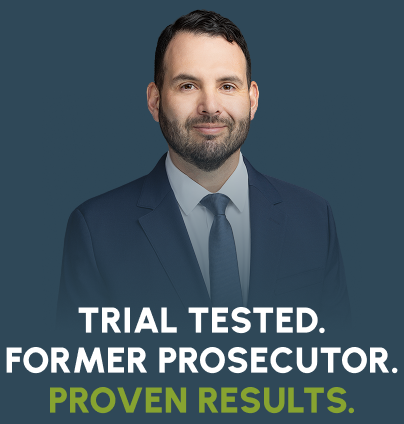
Jose Ceja began his career as a felony drug prosecutor in Harris County. As a prosecutor, he first-chaired over 50 felony trials and presented hundreds of cases to the grand jury. He built his understanding of how cases are constructed from the prosecution side — and uses that knowledge to find the weaknesses in them.

6. Research Their Reputation
Online reviews are imperfect, but useful — particularly the negative ones. A pattern of complaints about missed calls, poor communication, or unexpected fees tells you something real. Positive reviews are easier to cultivate; negative reviews are harder to fake.
Beyond reviews, look for third-party recognition: the Texas Super Lawyer designation is peer-reviewed. Look also for published recognitions — Avvo ratings, attorney lists in Houston publications like Houstonia Magazine and H-Texas Magazine, and active membership in TCDLA and HCCLA are all indicators that an attorney is engaged in their field.
Ask the attorney directly for references — past clients who have agreed to be contacted. A confident, experienced attorney will have them.

7. Evaluate Communication Skills
A criminal case in Harris County can take six months to a year or more to resolve. A DWI case with blood test results can run longer while evidence is processed and reviewed. That’s a long time to work with someone you can’t reach or who doesn’t explain things clearly.
Your first consultation tells you a lot. Pay attention to:
Do they answer your questions directly, or deflect with vague reassurances?
Do they explain how they’d approach your specific situation, or give you a generic pitch?
Do they take time to understand the facts of your case, or are they moving toward a retainer before they’ve heard what happened?
Do they communicate in your preferred language? Jose Ceja is bilingual — Hablamos español.
A good attorney explains the law, the process, and your realistic options — including the range of outcomes, not just the best case. If you leave a consultation more confused than when you arrived, that’s information.
8. Understand the Fee Structure
Criminal defense fees vary based on the charges, the complexity of the case, and the attorney’s experience. A flat fee structure is common — you pay a set amount for representation through a specific stage, often through plea or through trial. Before you sign anything, understand exactly what is and isn’t included.
Ask: Is this fee for the entire case through trial, or only through a plea? Are there additional costs for investigators or expert witnesses? What happens if the case takes longer than expected? Is a payment plan available?
Transparency about fees is a basic indicator of how an attorney runs their practice. If these questions are met with evasiveness before you’ve signed, pay attention.


Questions to Ask During Your Free Consultation
Use your first meeting to gather as much useful information as possible. These questions give you the clearest signal:
- How long have you been practicing criminal defense in Houston?
- Have you handled cases with charges like mine before? What were the outcomes?
- Do you know the judge assigned to my court?
- When was your last jury trial?
- Are you board certified in criminal law?
- What is your strategy for my specific charges?
- Who will actually handle my case — you, or someone else in the firm?
- How often will you communicate with me, and how?
- What do your fees cover exactly — through plea, or through trial?
- Is a payment plan available?
“What is your strategy for my specific charges?” is the most revealing question on this list. A good attorney will describe a meaningful approach based on what you’ve told them. An attorney who gives you the same answer regardless of the facts isn’t listening.
Frequently Asked Questions
Criminal defense fees vary based on the charges and the attorney’s experience. DWI cases, sex crime cases, and cases involving multiple counts tend to cost more because they require more attorney time and specialized expertise. Fees also vary significantly between misdemeanor and felony charges. Always get a clear written agreement that specifies exactly what the fee covers before signing anything.
Public defenders are licensed attorneys who work hard under difficult conditions, but they carry caseloads that limit how much time they can spend on any single case. A private defense attorney brings more time, more resources, and typically more focused experience in the specific charges you’re facing. If you can afford to retain a private attorney, it’s worth the investment. A criminal conviction follows you. The stakes justify the expense.
Yes. You have the right to change attorneys at any point in your case. That said, switching mid-case has real costs — in time, in fees (retainers are often non-refundable), and in case continuity. It’s better to ask the right questions before you hire. If you’ve already retained someone and genuinely believe your representation is inadequate, consult with another attorney about your options before making any decisions.
Yes. A misdemeanor conviction in Texas can carry up to a year in county jail, fines, and a permanent criminal record that appears on background checks. It can affect your employment, housing, and professional licenses. The misdemeanor label doesn’t mean the consequences are minor. An experienced criminal defense attorney can often have misdemeanor charges reduced or dismissed in ways that don’t happen without representation.
These terms mean the same thing and are used interchangeably. “Criminal defense attorney” and “criminal lawyer” both refer to an attorney who represents people accused of crimes. When you’re charged with a crime, you want a defense attorney — someone who represents you, not the government.
It depends on the charges and the court. Misdemeanor cases in Harris County can resolve in a few months. Felony cases typically take six months to a year or more. Cases that go to trial take longer than those that resolve by plea. Cases involving significant evidence review — DWI cases with blood test results, sex crime cases with digital evidence from devices and accounts — can take longer at the pre-charge investigation stage before any court date is set.
Why Clients in Houston Choose Jose Ceja
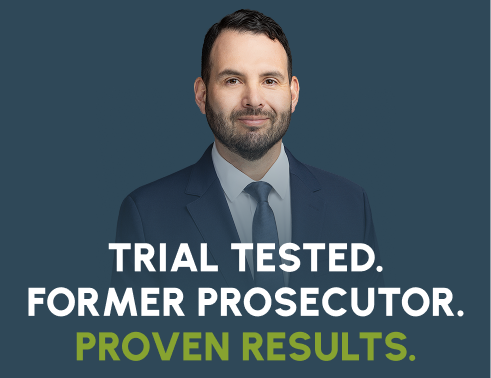
Jose Ceja is a Board Certified Criminal Law Expert and former Harris County felony prosecutor who has built his defense practice around the same direct, evidence-focused approach he developed as a prosecutor who first-chaired over 50 felony trials and presented hundreds of cases to the grand jury.
Credentials and Recognition:
Counties Served:
- Harris County
- Montgomery County
- Brazoria County
- Fort Bend County
- Waller County
- Chambers County
- Liberty County
Free consultations available in person or via Zoom. Contact Ceja Law Firm or call 713-568-5380 to speak with Jose Ceja directly.
Still figuring out how to choose a Houston criminal defense attorney? Start with Jose Ceja — Board Certified in Criminal Law, former Harris County prosecutor, and available 24/7 for a free consultation. Call 713-568-5380.