Houston Wrongful Death Lawyer — Holding Negligent Parties Accountable
Under Texas Civil Practice & Remedies Code §71.002, a Houston wrongful death lawyer can pursue civil recovery on behalf of surviving spouses, children, and parents when a death results from another party’s negligence, recklessness, or intentional misconduct. Texas law authorizes recovery for lost financial support, mental anguish, loss of companionship, and other damages that flow directly from the death.
Texas wrongful death law provides a separate civil cause of action from any parallel criminal proceeding. When a death is caused by another party’s wrongful act, negligence, or recklessness, the right to file a wrongful death claim exists regardless of whether criminal charges were filed or resulted in a conviction.
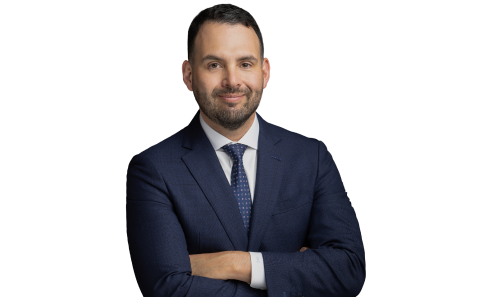
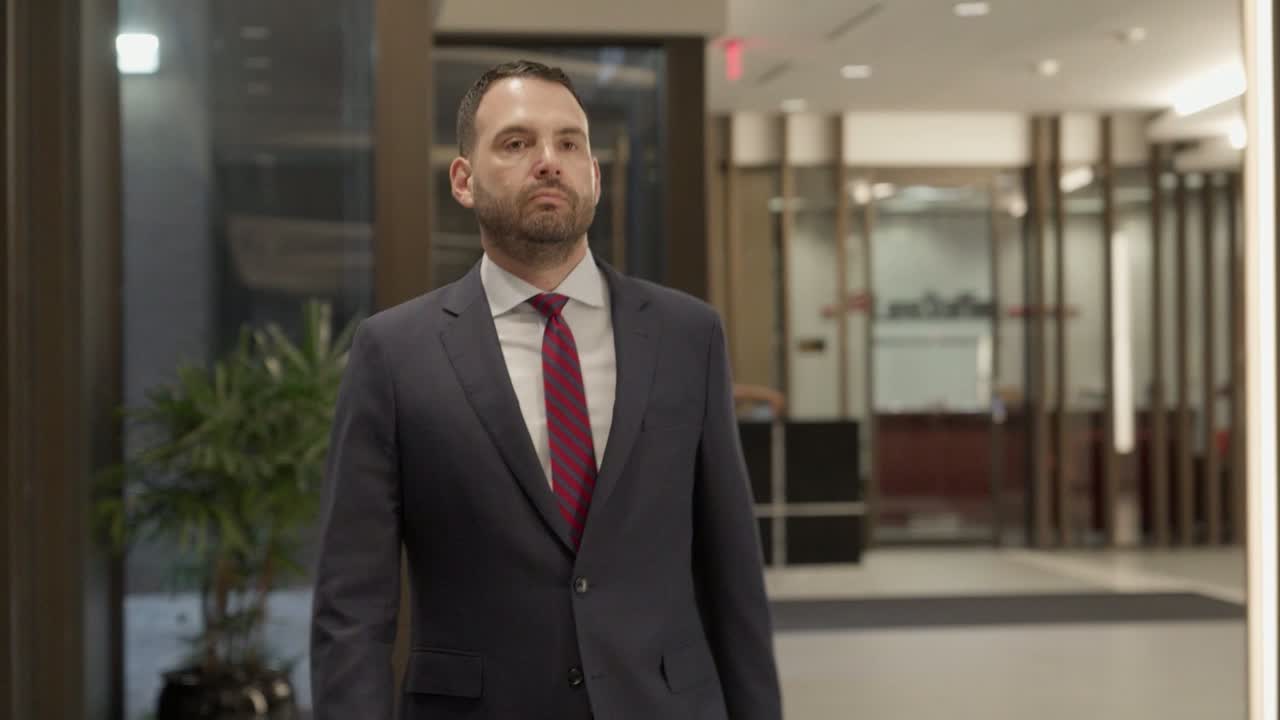
Jose Ceja is a Houston personal injury attorney and former prosecutor representing wrongful death families throughout Harris County and the greater Houston area. As a former prosecutor, he understands how opposing counsel and insurance companies build their defense — and how to counter it. Consultations are free and confidential. Hablamos español.


What Does a Houston Wrongful Death Lawyer Do Under Texas Law?
A wrongful death claim is a civil lawsuit filed by surviving family members when a person dies as a result of another party’s negligence, recklessness, or intentional misconduct. Under Texas Civil Practice & Remedies Code §71.002, wrongful death is defined as death resulting from a “wrongful act, neglect, carelessness, unskillfulness, or default.”
A wrongful death lawsuit is entirely separate from any criminal case. If the person responsible for your loved one’s death was never criminally charged — or was charged and acquitted — your family can still file a wrongful death claim. The burden of proof in civil court is lower than in criminal court.
The purpose of a wrongful death claim is twofold: to hold the negligent party financially accountable, and to provide surviving family members with compensation for the losses they have suffered — economic and non-economic alike.
If the deceased had had the right to file a personal injury lawsuit had they survived, the family can almost certainly file a wrongful death claim. These cases arise from car accidents, truck accidents, workplace deaths, medical malpractice, and many other circumstances across Houston and Harris County.

Who Can File a Wrongful Death Lawsuit in Texas?
Texas Civil Practice & Remedies Code §71.004 identifies who has standing to bring a wrongful death claim. The following family members may file jointly or separately:
- Surviving spouse
- Children (including adult children)
- Parents of the deceased
Siblings, grandchildren, and other extended family members do not have standing to file a wrongful death claim under Texas law.
If the surviving spouse, children, and parents do not file within three months of the date of death, the personal representative (executor) of the estate may file — unless all eligible family members formally request that no claim be made.
Under Texas Civil Practice & Remedies Code §16.003, a wrongful death lawsuit must be filed within two years of the date of death — not the date of the underlying injury. This deadline is strict. If it passes, the family loses the right to recover entirely.
Families should not delay. Evidence fades, surveillance footage is overwritten, and witnesses become harder to locate. Contact a Houston wrongful death attorney as soon as possible.


Common Causes of Wrongful Death in Houston
According to TxDOT data reported by Houston Public Media, Houston recorded 301 traffic fatalities in 2024 — the highest total in the city’s recorded history. Wrongful death cases in Houston and Harris County arise from many circumstances:
Speeding, distracted driving, driving under the influence, and failure to yield are the leading causes of fatal collisions on Houston’s highways and surface streets. When a crash is caused by a negligent driver, surviving family members may have a wrongful death claim against the at-fault driver, the vehicle owner, and in some cases the employer.
Commercial truck accidents are among the most deadly on Houston’s roads, particularly along I-10, I-45, and the Sam Houston Tollway. These cases often involve multiple liable parties — the driver, the trucking company, the cargo loader, and the vehicle manufacturer — and frequently require federal regulatory analysis of driver logs, weight limits, and maintenance records.
Surgical errors, misdiagnosis, delayed diagnosis, birth complications, and medication errors can be fatal. When a healthcare provider’s failure to meet the applicable standard of care causes a patient’s death, the surviving family may have a wrongful death claim. Texas medical malpractice cases require an expert report from a qualified medical professional within 120 days of filing — a step Attorney Ceja coordinates from the outset.
Construction sites, oil and gas operations, industrial facilities, and manufacturing plants throughout Harris County expose workers to serious hazards. Fatal workplace accidents may give rise to both a wrongful death claim against third parties and additional recovery outside of workers’ compensation — particularly when a manufacturer, property owner, or subcontractor shares responsibility.
Property owners in Texas have a legal duty to keep premises reasonably safe for visitors. Fatal slip and fall accidents, drownings at inadequately supervised pools, and deaths caused by negligent security — including shootings on commercial properties — can all support a wrongful death claim.
A wrongful death lawsuit can be filed regardless of whether the responsible party faces criminal charges. The civil and criminal cases proceed entirely independently under separate legal standards. Even if the defendant was acquitted in criminal court — or never charged at all — the lower civil burden of proof may still support a successful wrongful death claim.
Severe head trauma from vehicle accidents, falls, assaults, or sports injuries can cause death hours, days, or weeks after the initial incident. When the underlying incident resulted from another party’s negligence, the timing of death relative to the injury does not affect the family’s right to file a wrongful death claim.
What Damages Can You Recover in a Texas Wrongful Death Case?
Texas wrongful death law allows surviving family members to seek compensation for a broad range of losses. Damages are grouped into three categories:
Economic Damages
- Medical expenses incurred before death, including emergency care, hospital stays, and treatment between the injury and the death
- Funeral and burial costs
- Loss of earning capacity — wages, raises, bonuses, and employment benefits the deceased would have earned over their lifetime
- Loss of financial support that the deceased provided to the family
- Loss of inheritance — future contributions the deceased would have made to the family’s estate
Non-Economic Damages
- Mental anguish and emotional suffering experienced by surviving family members
- Loss of companionship, love, and affection
- Loss of consortium (surviving spouse)
- Loss of parental guidance and nurturing (surviving children)
Punitive (Exemplary) Damages
Punitive damages are available when the death results from gross negligence, conscious indifference, or malicious conduct. Texas caps punitive damages at $250,000 or two times economic damages, whichever is greater, plus up to $750,000 in non-economic damages. These caps do not apply when the death results from a felony committed by the defendant.
Note: Texas does not allow recovery for the decedent’s own pain and suffering in a wrongful death claim. That compensation is available through a separate survival action — described in the next section.
Wrongful Death vs. Survival Claims in Texas
Texas law provides two separate legal claims that frequently arise from the same death. Understanding the difference — and why both matter — is one of the most important things a wrongful death attorney can explain to a family.
Wrongful death claim
Filed by the surviving spouse, children, or parents on their own behalf. Compensates the family for their personal losses — lost financial support, grief, mental anguish, loss of companionship.
Survival action
Filed on behalf of the decedent’s estate. Recovers damages the deceased personally suffered before death — physical pain, mental anguish, and medical expenses between the injury and the death. These damages belong to the estate and are distributed to heirs.
The statute of limitations for a survival action begins on the date of injury, not the date of death. When evidence shows the deceased suffered before dying, filing both claims simultaneously maximizes total recovery.
To file a survival action, the plaintiff must act in the capacity of personal representative of the decedent’s estate. If no estate has been established, an attorney can help initiate the process.
Most families are unaware that these are two distinct legal claims. An experienced Houston wrongful death lawyer will evaluate both and pursue all available recovery.


Proving a Wrongful Death Case in Texas — The Four Elements
To succeed in a Texas wrongful death claim, the plaintiff must establish four legal elements:
The defendant had a legal obligation to act with reasonable care toward the deceased. A truck driver owes a duty to drive safely and comply with federal motor carrier regulations. A surgeon owes a duty to meet the applicable standard of care. A property owner owes a duty to maintain safe conditions for lawful visitors. The specific duty depends on the relationship between the defendant and the deceased and the circumstances of the incident.
The defendant failed to meet that duty. The truck driver exceeded hours-of-service limits and fell asleep behind the wheel. The surgeon failed to review the patient’s allergy history before administering medication. The property owner received written notice of a broken staircase railing and did nothing. Establishing breach often requires documentary evidence — inspection records, training logs, communications — that must be preserved early.
The defendant’s breach directly caused the fatal injury. Causation is the element most frequently contested by opposing counsel. It often requires expert testimony from accident reconstruction specialists, forensic engineers, or medical examiners who can connect the defendant’s specific breach to the specific cause of death. When the deceased survived for a period after the injury, causation may require coordination with treating physicians and the autopsy report.
The death caused quantifiable losses — medical bills before death, funeral and burial expenses, lost lifetime earnings, loss of companionship, and more. Texas allows recovery for both economic and non-economic losses. Damages calculations in wrongful death cases typically require vocational experts and economists who can project the deceased’s lifetime earning capacity, benefits, and contributions to the family.
Evidence establishing breach and causation — surveillance footage, black box data, medical records, expert opinions — must be preserved quickly. The longer a family waits, the harder that becomes.
Our Approach to Wrongful Death Cases
When a wrongful death claim is filed, the opposing insurer assigns an adjuster and retains defense counsel whose objective is to minimize or defeat the claim. Attorney Ceja’s role is to counter that process at every stage — from initial investigation through trial, if necessary.
Case Investigation
Attorney Ceja gathers all available evidence from the outset: police reports, medical records, autopsy reports, surveillance footage, cell phone data, and witness statements. In complex cases, he retains accident reconstruction specialists, forensic engineers, and medical experts to establish causation and document the full extent of damages. Preserving evidence early is critical — surveillance footage is frequently overwritten within 30 to 90 days, and physical evidence degrades.
Identifying All Liable Parties
In truck accident deaths and workplace fatalities, multiple parties may share responsibility — the driver, the employer, a vehicle manufacturer, a property owner. Pursuing all liable parties maximizes total recovery.
Insurance Adjuster Tactics and Valuation
Insurance adjusters are trained to contact families early, document statements that can limit liability, and present settlement offers before the full scope of damages is known. According to the Insurance Research Council, families represented by an attorney recover on average 3.5 times more than those who negotiate directly with the insurer.
Case Strategy: Settlement vs. Trial
Attorney Ceja evaluates each case to determine whether it should be resolved through dispositive motions, negotiated to a fair settlement, or taken to trial. An insurer’s willingness to settle — and at what amount — changes when opposing counsel has a documented record of taking cases to verdict. When the insurer refuses to offer a fair amount, Attorney Ceja prepares to litigate. That credibility affects every negotiation.
Hablamos español. Ceja Law Firm serves Spanish-speaking families throughout Houston and Harris County. Filing a wrongful death claim does not notify immigration authorities. The civil justice system is open to all families, regardless of immigration status.
Frequently Asked Questions About Wrongful Death Claims in Texas
The deadline is two years from the date of death under Texas Civil Practice & Remedies Code §16.003. This deadline is absolute — if it passes, the family loses the right to pursue compensation entirely. Families should act immediately. Evidence disappears, and insurance companies begin building their defense from the day of the incident. Contact a Houston wrongful death lawyer as soon as possible.
A wrongful death claim is filed by surviving family members on their own behalf for losses such as grief, lost financial support, and loss of companionship. A survival action is filed on behalf of the decedent’s estate and recovers damages the deceased personally suffered before death — including pain and suffering and medical expenses between injury and death. Both claims are often filed at the same time.
Yes. Texas follows a modified comparative fault rule. As long as the deceased was not more than 50% responsible for the incident, surviving family members may still recover damages. The recovery may be reduced proportionally to the decedent’s percentage of fault, but the right to recover is not eliminated.
Ceja Law Firm handles wrongful death cases on a contingency fee basis. There are no upfront costs and no attorney’s fees unless we recover compensation for your family. If we do not win, you owe nothing.
Key evidence includes police or accident reports, medical records, the autopsy report (when available), surveillance footage, witness statements, and employment records to establish lost earning capacity. Attorney Ceja handles evidence preservation and gathering from the start of the engagement. The earlier a case is opened, the more evidence can be secured.
Yes. A wrongful death lawsuit is a civil action, completely separate from the criminal justice system. The civil burden of proof — preponderance of the evidence — is lower than the criminal standard of proof beyond a reasonable doubt. Many successful wrongful death cases proceed even when no criminal charges are filed or when the defendant was acquitted.
A personal injury claim is filed by the injured person on their own behalf. A wrongful death claim is filed by surviving family members — not the deceased — on their own behalf, for the losses they have personally suffered as a result of the death. The two claims are governed by different statutes and are pursued separately. If the deceased survived for a period of time after the injury and suffered damages before death, a survival action may also be filed on behalf of the estate — separate from both the personal injury framework and the wrongful death claim.
Yes, but the process is more complex. Claims against Texas state agencies and local governments — including the City of Houston, Harris County, or a public hospital — are governed by the Texas Tort Claims Act. Before filing suit, the claimant must typically provide formal written notice of the claim within six months of the incident. Different caps on damages apply. Attorney Ceja evaluates government liability claims individually, as the procedural requirements are strict and can affect recovery if not followed correctly.
Texas wrongful death cases vary widely in duration. Cases that settle before filing can sometimes resolve within six to twelve months. Litigated cases — those requiring discovery, depositions, and trial preparation — typically take one to three years. Cases involving multiple defendants, contested liability, or complex damages calculations tend to take longer. Attorney Ceja evaluates each case individually to determine whether early settlement or litigation produces the better outcome for the family.
Talk to a Houston Wrongful Death Lawyer Today
Families who have lost a member due to another party’s negligence have the right to pursue a wrongful death claim — but that right is time-limited. A Houston wrongful death lawyer at Ceja Law Firm can advise on standing, damages, and the steps that need to be taken before evidence is lost and deadlines pass.
Jose Ceja is a Houston personal injury attorney and former prosecutor who represents families throughout Pasadena, Houston, Harris County, Fort Bend County, Brazoria County, Galveston County, Montgomery County, and the greater Houston area. Contact Ceja Law Firm today to discuss your case.
Lost a loved one to negligence in Houston, Texas? Contact a Houston wrongful death lawyer at Ceja Law Firm. Free consultation, 24/7. Hablamos español.